ServicesConstruction Debris
Construction Debris Removal in Decatur
Your remodel left a pile of torn-out drywall, old cabinets and broken tile. We carry it out of your home or off the driveway, load it by hand, sort what can be recycled or donated and sweep up before we leave.
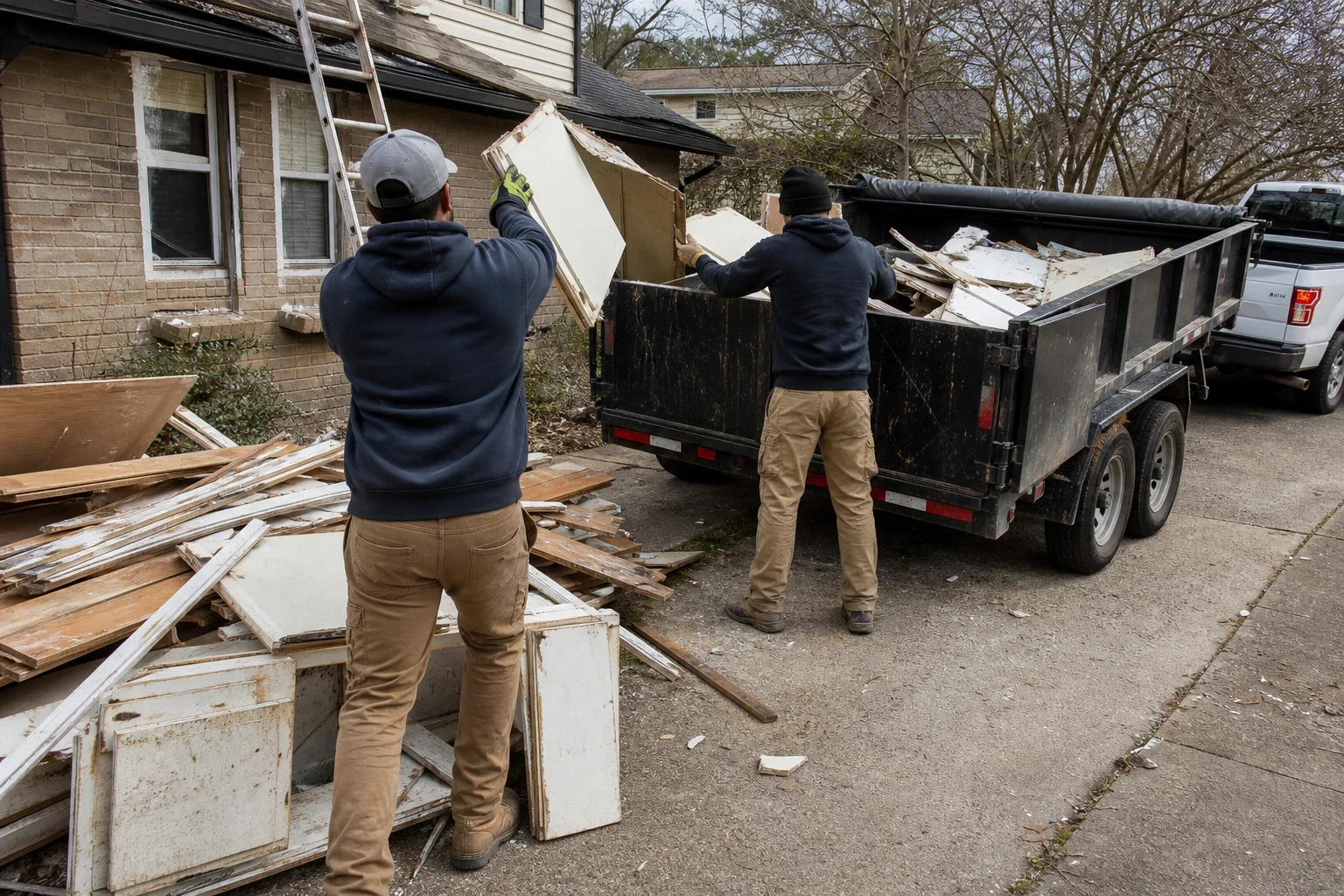
What we haul after a remodel or teardown
Construction debris is the heavy, awkward material that regular curbside pickup will not take: gypsum drywall scraps, plaster and lath, framing lumber full of nails, ceramic tile set in thinset, old shingles, carpet and pad, and fixtures like vanities and toilets. We handle it for homeowners finishing a DIY project and for those whose contractor did not include haul-off in the bid.
Many homes around Decatur and nearby towns like Avondale Estates and Druid Hills were built with plaster walls on wood lath. Plaster is far denser than drywall, so a bathroom gut can weigh more than it looks. We size the truck and crew for that weight so the job gets done in one trip instead of two.
We have been in business since 2021, we are licensed and insured, and our work has earned over 1,200 Google reviews. That record matters when a crew is carrying sharp, heavy material past your finished floors.
What the job includes
Hand loading from anywhere on the property
We pick up debris from the room where it was torn out, the basement, the backyard or the driveway. You do not need to drag it to the curb first.
Floor and doorway protection
Before we carry plaster or tile through your home, we lay down floor runners and pad door frames. Broken tile edges and lath nails gouge hardwood and scrape paint quickly.
Sorting for recycling and donation
Clean dimensional lumber, metal like copper pipe and steel ductwork, and usable cabinets or doors are pulled out before the rest goes to the transfer station. Less weight to landfill can also mean less in disposal fees.
Nail and screw sweep
After loading, we sweep the area and run a magnet over the driveway and lawn edge. Roofing nails and drywall screws are the usual cause of flat tires after a remodel.
Fixture and heavy-item removal
Cast iron tubs, old water heaters, concrete chunks and stone countertops take planning and extra hands. We bring dollies and straps sized for them.
Signs it is time to call us
The pile is blocking the next trade
Painters, flooring installers and cabinet crews need clear rooms. Debris left in place slows them down and can add to their bill.
Drywall has been sitting out in the weather
Gypsum soaks up water fast in a Georgia summer thunderstorm. Wet drywall gets heavier, crumbles when lifted and can start growing mold within days.
Your contractor's bid left out haul-off
Some remodel quotes cover demolition but not removal. If you are left with the pile, we can clear it as a separate job.
Nails are showing up in the yard
Loose lumber and shingle scraps scatter nails across grass and gravel. That is a hazard for kids, pets and tires, and a sign the debris needs to go now.
How a debris pickup runs
- 1
Free on-site estimate
We look at the pile in person, note what it is made of and how far we have to carry it. Plaster, tile and concrete get priced differently from light lumber because of weight, and we tell you that up front.
- 2
Check for problem materials
Older homes can have tile, mastic or ceiling texture that may contain asbestos, and paint from before 1978 can contain lead. If something looks suspect, we will tell you it should be tested before it is disturbed or loaded.
- 3
Protect, load and sort
The crew sets up floor protection, then loads the truck by hand, setting aside recyclable metal, clean wood and donatable fixtures as we go.
- 4
Sweep and final walk
We sweep, run the nail magnet and walk the area with you so you can confirm everything you wanted gone is gone.
What sets the price
We offer upfront pricing with no hidden fees, so you hear the price before we start loading. Debris pricing depends mostly on how much space it takes in the truck and how heavy it is, because transfer stations charge by weight. Here is what moves the number.
- Volume
- The share of the truck your debris fills is the starting point. A single bathroom tear-out and a full kitchen gut are very different loads.
- Material weight
- Plaster, tile, brick and concrete weigh several times what the same pile of drywall or carpet does. Heavy loads cost more to dump.
- Carry distance and access
- Debris from a second floor, a narrow basement stair or a backyard with no gate takes more labor than a pile at the end of the driveway.
- Recyclable and donatable content
- Metal and clean wood that can be diverted from the landfill can lower disposal costs on your job.
Construction debris questions
Something not covered here? (404) 882-6905
Will you take debris from a job my contractor is still working on?
Yes. We can come once at the end or in rounds as each phase finishes, like after demolition and again after drywall. Coordinating with your contractor's schedule keeps the work area clear without getting in their way.
Is there anything you cannot haul?
We do not haul wet paint, solvents, or materials that may contain asbestos until they have been tested and cleared. Dried latex paint cans and empty containers are usually fine. If you are unsure about something, point it out during the estimate and we will tell you.
Do I need to bag or bundle the debris first?
No. Loose material is fine, and we do the loading. If you are still working, keeping nails bent over or boards stacked in one spot makes the job faster and safer for everyone.
Can you take roofing shingles?
Yes, asphalt shingles, felt underlayment and damaged decking are all common loads for us. Shingles are heavy for their size, so a roof tear-off is priced with weight in mind.
How soon can you come?
Same-day and next-day service available, depending on the schedule and the size of the job. Smaller loads are the easiest to fit in quickly.
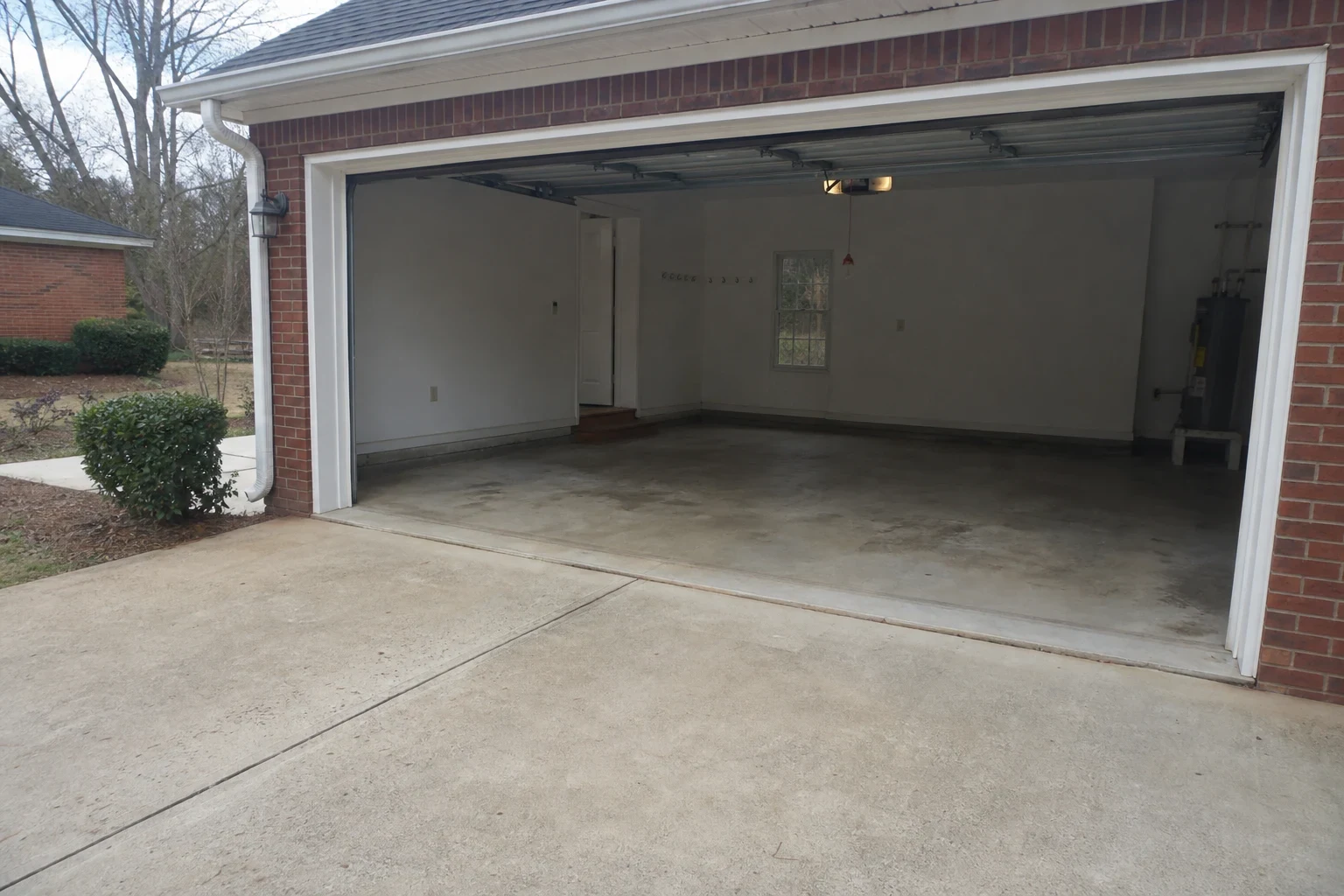
Get the remodel mess off your property
Tell us what was torn out and where it is sitting. We will come look, give you a firm price and haul it when it suits your project.